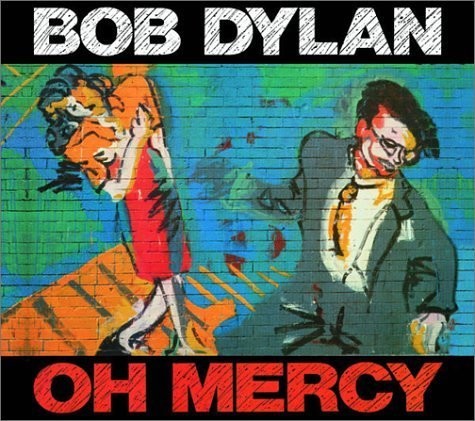
A edição brasileira da Rolling Stone do mês de outubro, com Chico Buarque na capa, publicou uma relação com as “70 maiores canções” de Bob Dylan. Esta lista já havia sido divulgada pela edição gringa, em maio, mas só agora vem traduzida ao Brasil.
Com um ótimo texto introdutório de John Pareles – editor do New York Times que já passou pela Crawdaddy!, The Village Voice e a própria Rolling Stone – a lista segue uma ordem crescente de “importância” e algumas das canções tem textos de músicos famosos.
A relação foi votada por um grupo de especialistas dylanescos. Entre eles, Greil Marcus, Christopher Ricks, Sean Wilentz e Clinton Heylin – todos esses já escreveram livros sobre Bob e sua música.
A escolha foi bem ampla, passando desde músicas do segundo álbum, The Freewhellin’, até canções mais recentes, como Things Have Changed (lançada em 2000 como trilha sonora do filme Garotos Incríveis e que rendeu a Dylan o Oscar de Melhor Trilha Sonora Original).
Veja abaixo a lista completa (e seus comentaristas, quando houver):
- Like a Rolling Stone (por Bono)
- A Hard Rain’s A-Gonna Fall
- Tangled Up in Blue
- Just Like a Woman
- All Along the Watchtower
- I Shall Be Released
- It’s Alright, Ma (I’m Only Bleeding)
- Mr. Tambourine Man (por David Crosby)
- Visions of Johanna
- Every Grain of Sand
- It’s All Over Now, Baby Blue
- Desolation Row (por Mick Jagger)
- Subterranean Homesick Blues
- Highway 61 Revisited
- Simple Twist of Fate
- Positively 4th Street (por Lucinda Williams)
- This Wheel’s on Fire
- Ballad of a Thin Man
- Blind Willie McTell
- Blowin’ in the Wind
- Mississippi (por Sheryl Crow)
- Don’t Think Twice, It’s All Right
- Forever Young
- Lay, Lady, Lay (por Lenny Kravitz)
- Knockin’ on Heaven’s Door
- Masters of War
- Sad-Eyed Lady of the Lowlands
- The Times They Are A-Changin’
- You Ain’t Goin’ Nowhere
- Girl From North Country (por Keith Richards)
- Can You Please Crawl Out Your Window?
- Chimes of Freedom
- Idiot Wind
- Isis
- The Lonesome Death of Hattie Carrol
- With God on Our Side (por Tom Morello)
- Maggie’s Farm
- My Back Pages
- Hurricane
- I Dreamed I Saw St. Augustine
- I’ll Keep it With Mine
- I Threw it All Away
- Gotta Serve Somebody (por Sinéad O’Connor)
- Stuck Inside of Mobile with the Memphis Blues Again
- It Ain’t Me, Babe
- Jokerman (por Chris Martin, do Coldplay)
- Spanish Harlem Incident
- Sara
- Up to Me
- Not Dark Yet
- Things Have Changed
- Tears of Rage
- When I Paint My Masterpiece
- 4th Time Around
- If Not for You
- You’re Gonna Make Me Lonesome When You Go (por Jim James, do My Morning Jacket)
- Just Like Tom Thumb’s Blues
- Percy’s Song
- Million Dollar Bash
- Buckets of Rain (por Cameron Crowe)
- It Takes a Lot to Laugh, It Takes a Train to Cry
- Queen Jane Approximately
- If You See Her, Say Hello
- Abandoned Love
- Tough Mama
- Shelter from the Storm
- Leopard-Skin Pill-Box Hat
- One Too Many Mornings
- One More Cup of Coffee (Valley Below)
- To Ramona (por Jackson Browne)
O Grings Memorabilia postou um tocador com as 70 canções.
 Bob Dylan é autor de muitas façanhas: além de suas composições, é tido como o